Give Shelves a Storage Job Before Giving Them a Wall
Bedroom shelving adds useful capacity when it moves the right belongings into places you can reach without making the room feel busier or harder to use. An empty wall alone is not a reason to fill it. Begin with the objects that need a home, the routes around the bed, and the surfaces already overloaded. A short row of books beside a reading chair, folded clothes on a suitable unit, or a few contained accessories can each suggest a different shelf form. The strongest arrangement gives those items a clear role while preserving room to move, rest, dress, and clean. Storage should improve the bedroom’s daily operation rather than simply add another display area to maintain.
A: Identify the belongings and daily problem the shelves should address.
A: Yes. Check its depth, opening surroundings, and effect on movement.
A: No. Compare access, wall suitability, loads, and the room's actual constraints.
A: Keep a manageable active book group near the seat without displacing its useful surface.
A: Use a height that keeps garments visible and easy to remove without disrupting the pile.
A: Excess depth, hidden rows, or an unclear storage role can reduce usable access.
A: Yes. Its projection may occupy shoulder or head space above the floor.
A: Avoid arrangements where heavy, unstable, or displaced objects create an unsuitable overhead risk.
A: Give them limited categories and use closed storage where visibility is unhelpful.
A: When contents, loading, installation condition, or the way the area is used changes.
Separate Accessible Storage From Occasional Display
List what the shelves are meant to hold and how often those belongings are used. Daily reading material needs a different position from a decorative collection seen mostly from across the room. Folded clothing may need containment, while a few larger objects can sit comfortably in open view. These distinctions determine useful height, depth, and spacing before the shelf style is chosen.
Keep the collection realistic. Shelves can become an overflow for objects that have not been assigned a proper home elsewhere. If the proposed contents cover many unrelated categories, decide whether another storage method would serve some of them better. A clear job makes the shelving easier to arrange and easier to reset after normal use.
Use a Narrow Bookcase Where Floor Space Is Available
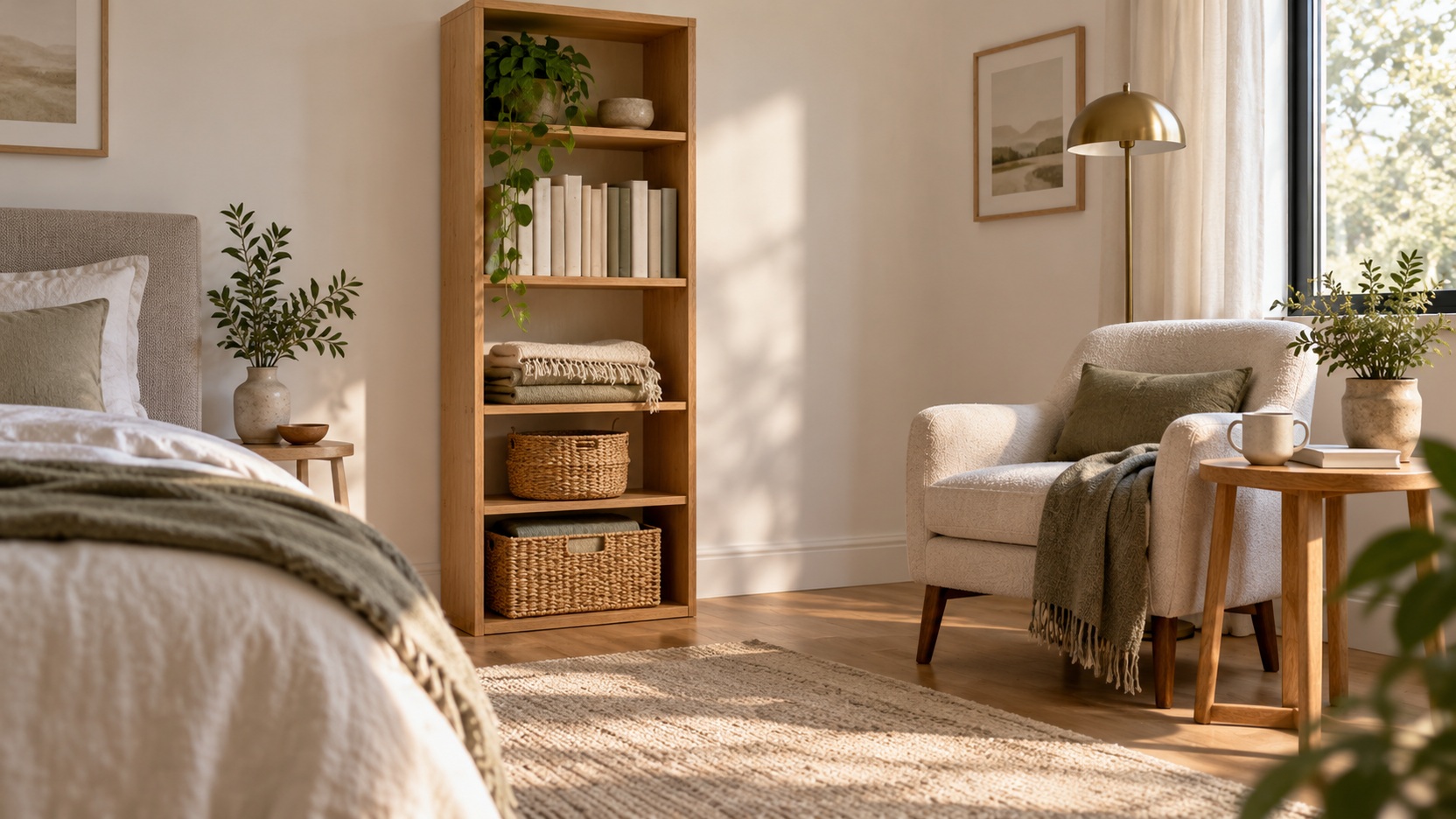
A narrow freestanding bookcase can provide several storage levels within a modest wall width. It suits rooms with a clear floor position and a collection that benefits from being grouped vertically. Check its depth against the nearby route and the size of the intended books or containers. A slender front does not guarantee that the furniture projects only a little into the room.
Follow the unit’s assembly, restraint, and loading instructions using suitable installation hardware. A tall bookcase needs appropriate setup even when it looks visually light. Keep children from climbing and avoid placing tempting items where they encourage that behavior. The storage arrangement and installation should support the unit’s intended use from the start.
Reserve comfortable reach for the most frequently handled objects. Upper shelves can serve suitable occasional items if they can be accessed appropriately. A tall cabinet’s total capacity is not equally useful at every level. Choose a height that creates a sensible hierarchy rather than inaccessible space that gradually fills with forgotten belongings.
Add Wall Shelves to Release a Crowded Surface
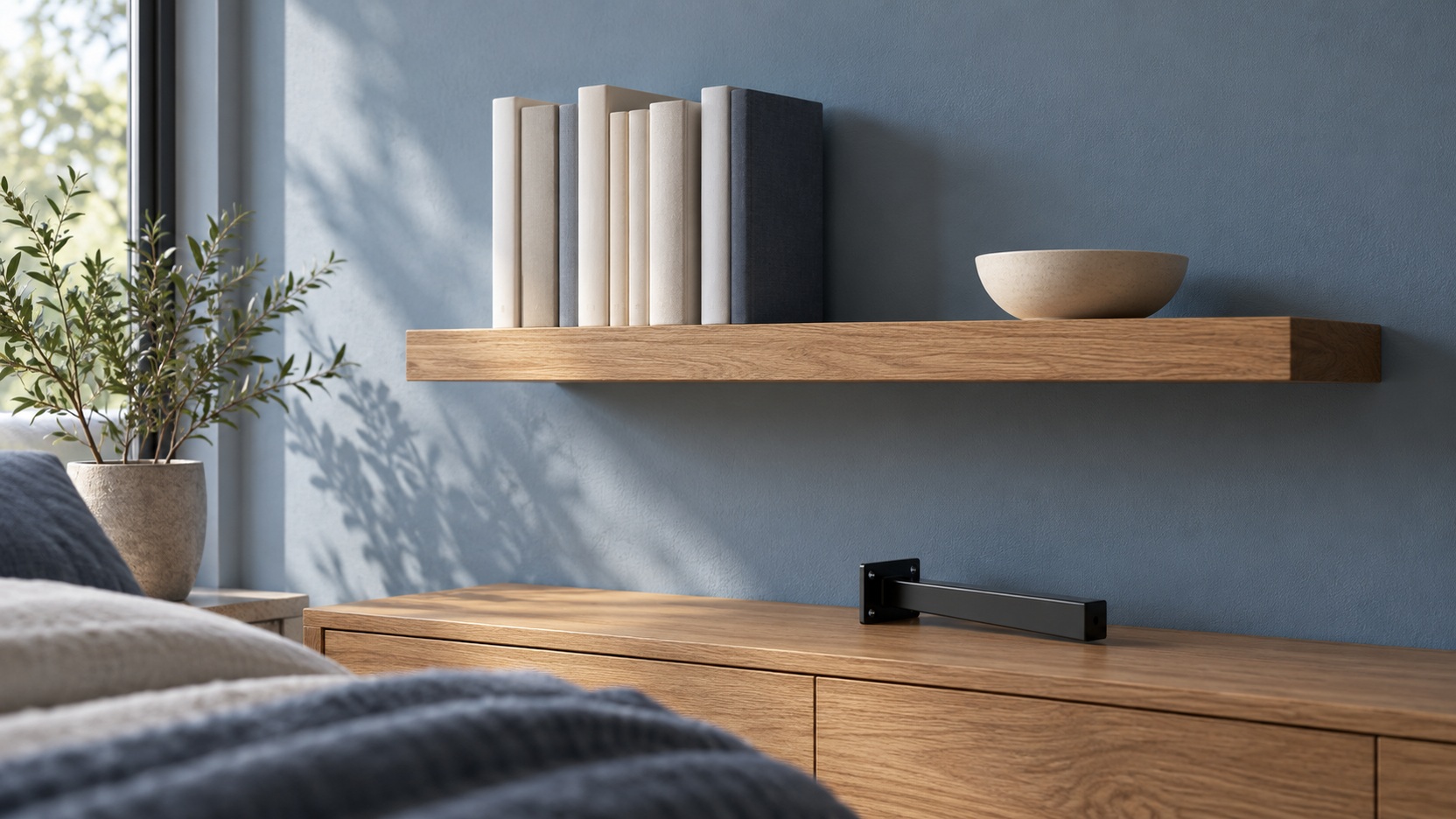
A wall shelf can help when a dresser, desk, or bedside surface is crowded by a specific small collection. Choose a location that keeps the items useful without obstructing the activity below. Shelf depth should follow the contents and the nearby body movement. A deep projection may be unnecessary for a few books and awkward beside a narrow walking route.
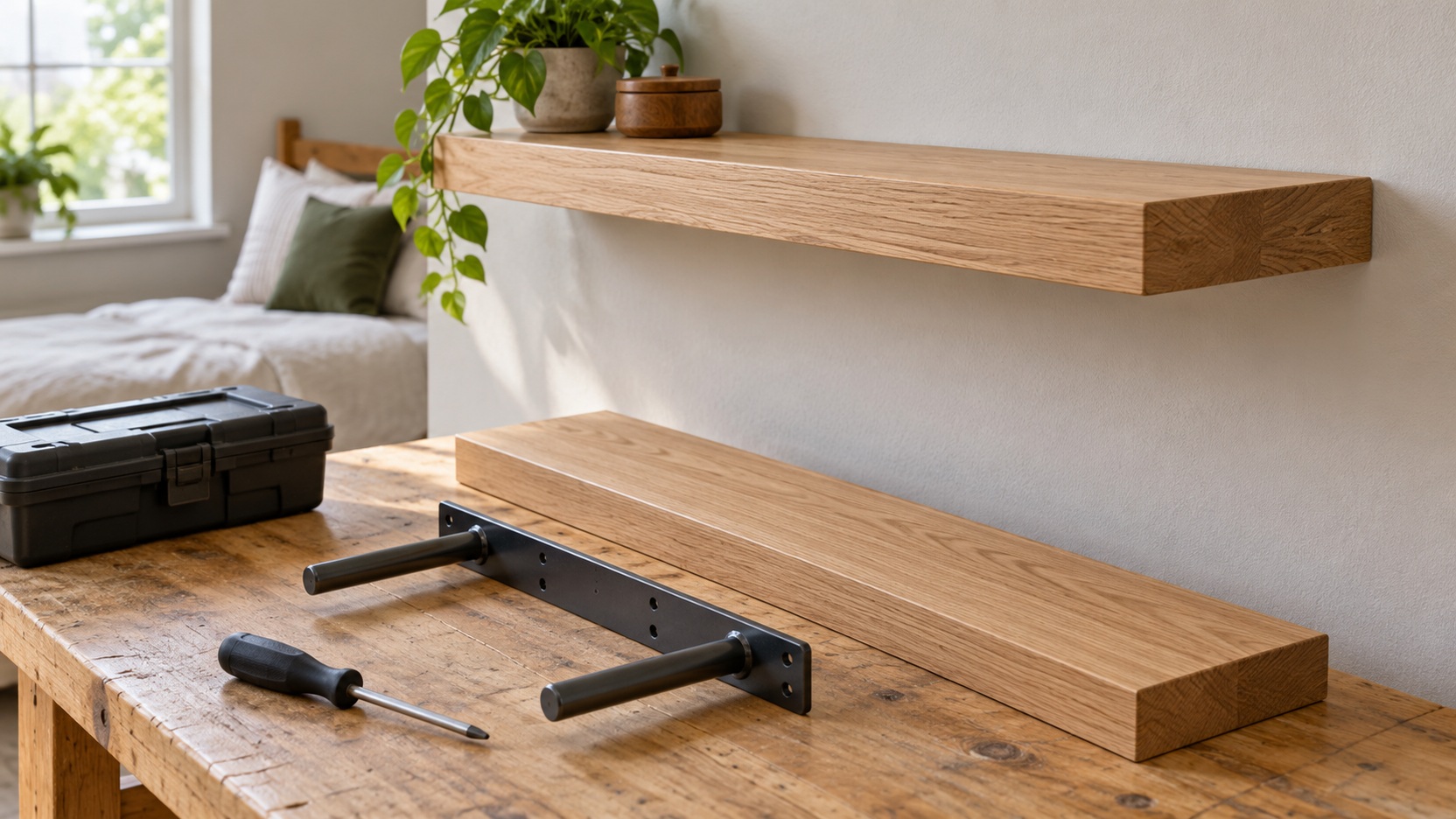
Check the wall, mounting system, and intended load before choosing the exact shelf. Concealed supports and visible brackets can offer different appearances, but neither form removes the need for suitable installation. The complete system includes the shelf, hardware, fixings, and wall construction. Select them as a compatible arrangement rather than treating the visible board as the whole product.
Create a Reading Zone Instead of Scattering Books
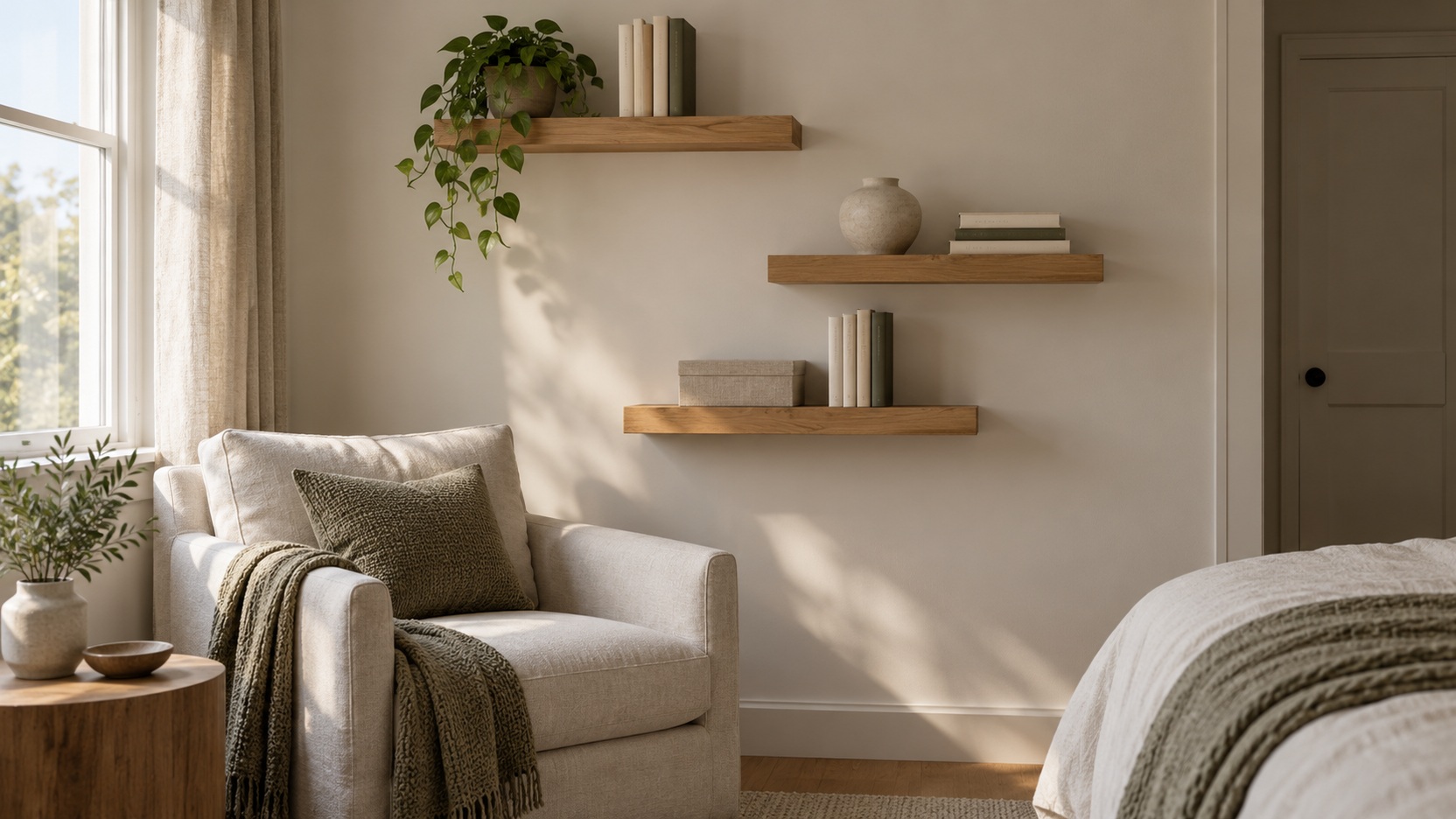
Group regularly read books near the place where you actually sit. A small shelf beside a chair may be more useful than a larger display above a distant cabinet. Check the reach and the space needed to remove a volume without disturbing surrounding objects. Keep enough room for a lamp and a drink in the reading area as well.
Separate the active reading group from a large archive if the room cannot comfortably hold both. A small rotating selection can preserve access while the rest lives in another suitable location. This does not require reducing a valued collection. It simply gives the bedroom shelves a role that matches the room’s available capacity.
Books can create a substantial load, so check the specific shelf system’s limits and installation requirements. Do not estimate suitability from appearance or multiply unrelated fixing ratings into an assumed capacity. Place the collection according to the product guidance and avoid overloading. Useful book storage depends on appropriate support as much as convenient placement.
Use Shelving for Folded Clothes With Clear Boundaries
Open clothing shelves can work when the categories remain visible and manageable. Measure folded garments and choose spacing that lets you remove items without lifting an entire unstable stack. Adjustable shelves may help if the system supports the required arrangement. Avoid making every opening the same height when the clothing categories have different needs.
Containers can group small items and reduce visual clutter, but they need to fit the shelf and remain easy to handle. Include their weight and dimensions in the plan. A large basket that must be pulled down awkwardly can make everyday storage less convenient. Use containment to support access rather than hide an unsuitable shelf position.
Turn an Alcove Into a Defined Storage Area
An alcove can contain shelving visually and give an awkward wall recess a clear purpose. Measure at several heights and depths because the opening may not be square. Consider baseboards, sockets, and the access needed to install the selected system. A tight-looking fit should not depend on forcing components into a space that does not suit them.
Choose contents that can be reached comfortably within the recess. Deep alcoves can hide belongings behind a front row, making nominal capacity less useful. Shallower shelves or clearly separated containers may improve visibility. The goal is an understandable storage zone rather than filling every available cubic inch.
Relate the shelf finish and spacing to the rest of the bedroom without requiring exact matching. A quiet background can help a collection read as one area, while a deliberate contrasting finish may make the alcove a focal point. Judge the whole wall from the bed and doorway. The storage should feel contained rather than visually spilling into every neighboring surface.
Keep Desk Shelves Within the Workspace
Shelves near a bedroom desk can hold the supplies that would otherwise cover its working surface. Place regularly used items within a comfortable reach and keep the area needed for the screen, lighting, and normal movement clear. A shelf directly over the most active part of the desk may need more careful positioning than one beside it. Test the seated view and reach before installation.
Contain work supplies so the bedroom can transition away from work when the session ends. A few boxes or a limited shelf zone may be easier to reset than an exposed assortment of unrelated equipment. Choose storage around the actual work routine, not a collection of organizers bought in advance. The shelves should reduce visual and practical friction together.
Use Corners Carefully Rather Than Automatically
A corner shelf can use a small wall area, but its shape can limit the objects that fit and the way they are reached. Check the usable depth and front opening rather than judging only the overall diagonal shape. A few suitable objects may work better than a crowded assortment. The corner should remain easy to clean and access.
Consider nearby doors, curtains, and movement around the bed. A projecting corner shelf can occupy a route at shoulder or head height even while leaving the floor clear. Mark the intended outline and height before deciding. A space-saving claim is meaningful only when the projection cooperates with the room’s real use.
Evaluate the required mounting arrangement for the particular corner and wall construction. Do not assume that contact with two walls automatically establishes a higher usable load. Follow the system’s instructions and seek appropriate help where the installation is uncertain. The geometry may be convenient, but the support still needs proper assessment.
Avoid Making the Bed Area Harder to Rest In
Keep shelves near the bed out of positions where ordinary sitting up or moving could create a collision. Consider what would happen if a stored object were displaced, especially around pillows and sleeping positions. Heavy or unstable collections are better assigned to a more suitable storage location. The bedroom offers other walls that may serve the same belongings more comfortably.
Do not assume a clear floor means a clear personal space. A shelf can project into a seated position, obstruct a lamp, or make changing bedding awkward. Check the full range of normal movement before treating the wall area as available. Good storage leaves the bed easy to use and care for.
Balance Open Storage With Visual Breathing Room
Open shelves show their contents continuously, so both the shelf and the stored objects contribute to the room’s appearance. Group related items and leave enough space to recognize those groups. If every level is filled edge to edge, a small room may feel more crowded despite gaining storage. A limited collection can remain both useful and visually calmer.
Use closed storage elsewhere for categories that are difficult to keep visually coherent or that benefit from protection. Open and closed systems can share the job rather than compete. A shelf should not have to display every practical belonging in the bedroom. The right balance depends on your tolerance for visible objects and the routine required to maintain them.
Review the arrangement after living with it for a few days. Notice which items are awkward to retrieve, which surfaces collect clutter, and whether a shelf blocks a normal action. Adjust the contents or placement where the system permits it. Actual use can reveal a better arrangement than the first carefully styled version.
Choose Shelving You Can Maintain Easily
Consider dusting, wiping, and reaching the wall behind the objects. A dense collection of small pieces can require more upkeep than a few larger groups. Pick finishes and containers suited to the care you are willing to provide. Storage that becomes difficult to clean can gradually stop being pleasant to use.
Keep installation information and observe the system for loosening, movement, or visible damage. Follow the relevant care and load guidance rather than adding more contents indefinitely. If the shelf’s use changes, reassess the arrangement before loading it with a different category. A decorative shelf and a dense book shelf can place very different demands on the support.
Measure Success by What the Shelf Improves
The best bedroom shelf gives a specific collection a reachable home while releasing a surface, protecting a route, or making a routine easier. Compare the finished arrangement with that original purpose. If the shelf mainly creates another place for unrelated clutter, simplify its role. A smaller clear solution can add more useful storage than a larger arrangement without a defined job.
Start With the Smallest Useful Arrangement
Try one defined storage zone before extending shelves across another wall. Live with the actual reach and cleaning routine for a little while. The experience will show whether more of the same storage is useful.
Notice what remains without a home after the first arrangement is working. Some items may need a drawer, a different room, or a decision about whether they belong in the bedroom. Additional open shelves are only one possible answer.
A bedroom used for reading and occasional study might need two small shelving jobs rather than one large display wall. A reachable bookcase near the chair can hold the active reading group, while a suitable shelf at the desk stores reference material that otherwise occupies the writing surface. Spare bedding can remain in closed storage elsewhere. Because the collections differ, their shelf spacing and depth need not match. The arrangement adds value by moving specific belongings closer to their activities; it does not depend on turning every exposed shelf into a decorative composition.