A Home That Changes With the Weather
The first sign that a room needs a seasonal change is often practical: afternoon sun lands differently, the sofa throw feels too heavy, or the entryway has become a landing place for wet shoes. Seasonal decorating works best when it responds to those small shifts before adding decorative objects. A familiar room can feel fresh with lighter fabric, a different arrangement of branches, or a warmer pool of lamplight, while the furniture and the household’s favorite belongings stay in place. Rather than collecting four separate versions of your home, build one dependable foundation and give each season a few well-chosen ways to show up. This approach suits apartments and larger houses alike, keeps storage manageable, and leaves room for celebrations without making every month another makeover project.
A: No. Keep the useful foundation and rotate a small collection of accents.
A: Yes. Coordinate changing accents with colors or materials already in the room.
A: Change when your weather, daylight, and household routines make the current layers less useful.
A: Choose one visible surface and one textile change, then keep the remaining space functional.
A: No. A lighter fabric or a different vessel can communicate the shift without plants.
A: Keep winter layers you enjoy, such as comfortable throws and warm reading light.
A: Place them where they are easiest to find, even if that means grouping by object type.
A: Certainly. Different stems or branches can change its appearance while the vessel anchors the room.
A: Limit the surfaces you change and give the collection a defined storage allowance.
A: Choose a measured item that fills a real gap, such as a washable cover or a suitable vase.
Keep the Foundation Useful All Year
Begin by deciding which elements earn their place regardless of the calendar. Comfortable seating, curtains that provide the privacy you need, working lamps, and surfaces you can actually use belong to the permanent layer. Their colors do not have to be beige or white. A blue sofa, walnut cabinet, or patterned rug can support several seasonal moods when the smaller additions pick up different colors already present in the room.
Take a photograph of the room with temporary decorations removed. It makes crowding easier to see and reveals which corners already have enough visual weight. If the room looks unfinished without seasonal accessories, improve the underlying arrangement first. Moving a lamp beside a chair or giving artwork a better position can do more than buying another collection of little objects.
Choose a Small Number of Changeable Surfaces
A seasonal scheme becomes much easier to maintain when it has boundaries. Choose a few places that people naturally notice, such as the entry console, dining table, sofa, or bedroom dresser. Leave the rest of the house free to function normally. Concentrating your effort produces a stronger impression than scattering tiny references through every room, and it reduces the number of pieces that must be cleaned, protected, and stored between seasons.
Give each chosen surface a particular job. An entry arrangement can announce the mood, while sofa textiles provide comfort and the dining table holds something living or freshly gathered. These roles help you avoid buying three versions of the same decoration. They also make a small collection feel deliberate because the objects relate to how each space is used.
Allow enough empty space around a display for ordinary life. A console still needs a place for keys; a coffee table still needs room for a mug. When decoration competes with those activities, it tends to get pushed aside or become irritating. A smaller arrangement that remains in its intended position usually looks better than an elaborate one constantly rearranged to make space.
Let Spring Begin With Breathing Room
Spring decorating can start with subtraction. Fold away the thickest throw, clear the extra basket beside the hearth, and wash the textiles that will remain. This creates a visible change before any new purchase. The aim is to let the room feel easier and more open, especially if winter decorating involved several layers of dark fabric, heavy greenery, or clustered objects.
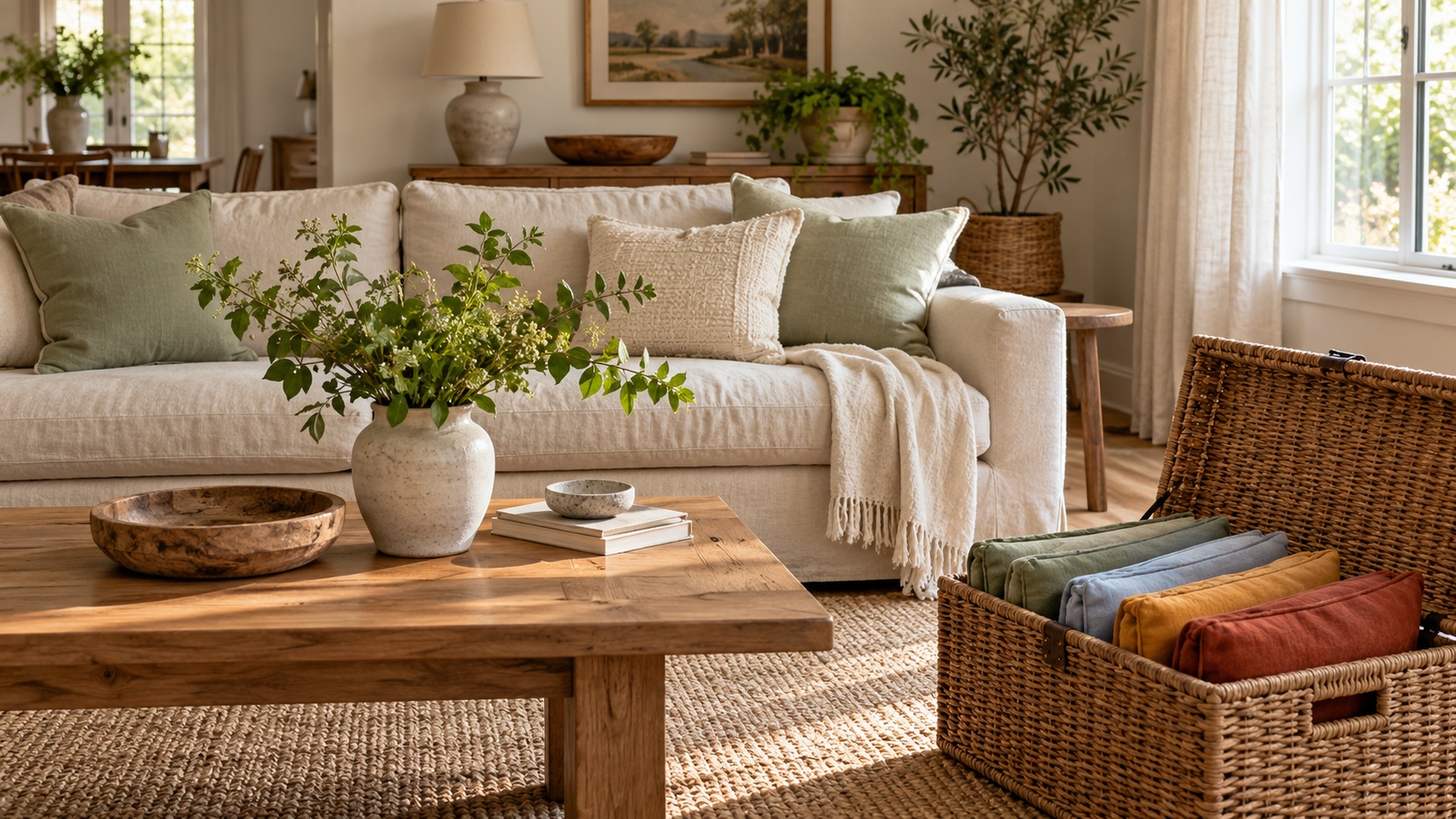
Introduce freshness through shape and material as much as color. A clear glass vase, a washable cotton cover, and a few loose stems feel different from dense arrangements and substantial winter ceramics. Choose flowers or foliage appropriate for your household, particularly where pets or young children can reach them. You can suggest spring with a pale green cushion or a botanical print when fresh plants are impractical.
Make Summer Feel Lighter Without Erasing Color
Summer rooms often benefit from fewer layers rather than an entirely new palette. Try one lightweight throw instead of several blankets, use simple table linens, and let the surfaces around windows remain visually quiet. If sunlight causes glare or the room becomes hot, keep the window treatments that manage those problems. An airy appearance should support comfort instead of sacrificing it for a photograph.
Borrow summer color from something specific: the blue of a favorite bowl, a stripe in the rug, or the green seen through a window. Repeating that color in two small places gives the room a seasonal connection without requiring a matching set. Natural woven materials can contribute texture, but use them selectively if the room already contains a lot of wood grain, baskets, or patterned upholstery.
Summer is also a useful moment to simplify arrangements around entertaining. A low bowl leaves room for conversation across a table, while a tray can gather a few objects that move together when extra space is needed. Keep outdoor and indoor accessories suited to their actual conditions. Something attractive on a covered patio may not tolerate rain, direct sun, or the cleaning required in a busy kitchen.
Bring Autumn Indoors Through Texture
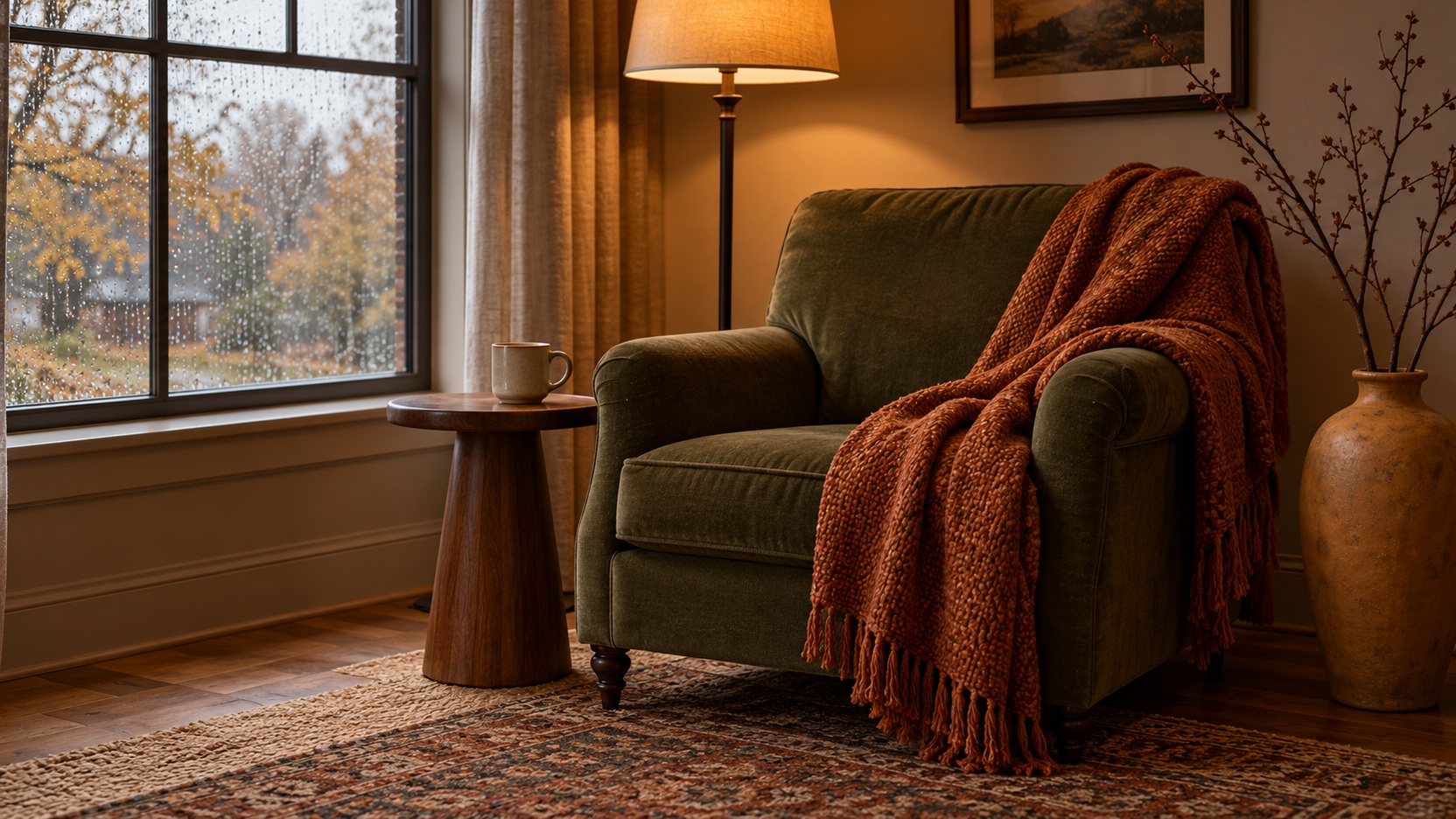
For autumn, begin with the places your body touches. Add a softer throw to the reading chair, exchange one smooth cushion cover for a woven one, and consider whether the bedside light makes evenings feel welcoming. These changes have an everyday purpose and tend to outlast a brief decorative trend. A warm atmosphere can come from oatmeal, brown, olive, or burgundy just as easily as orange.
Use natural shapes to connect the room to the season without filling every surface. One broad arrangement of branches, a wooden bowl, or a ceramic vessel with a matte finish may be enough. If you include pumpkins or gourds, group them where they can be inspected and removed when they deteriorate. Keep harvested materials clear of damp textiles and furniture finishes that could stain.
Give Winter Warmth a Place Beyond the Holidays
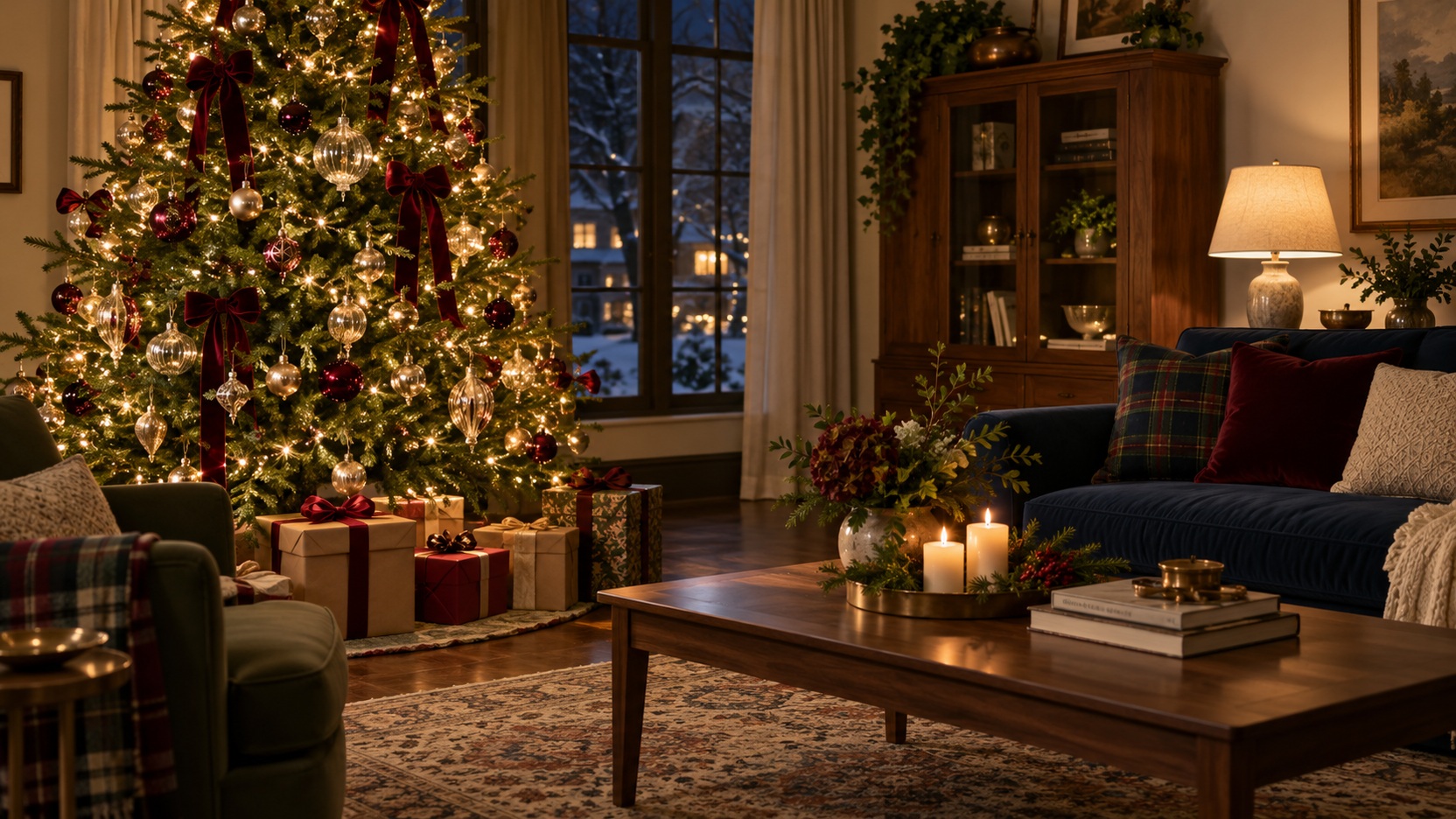
Winter decorating and holiday decorating do not need identical timelines. The softer bedding, textured cushions, and comfortable reading light may be welcome long after ornaments come down. Treat those elements as a winter layer, then add any celebration-specific pieces on top. This makes the room easier to reset after a busy holiday and avoids the sudden feeling that all its warmth has disappeared overnight.
As daylight changes, review how the room works after dark. A lamp near a chair may be more useful than another ornament, and a shaded light can make an unused corner inviting. Avoid placing textiles, dried branches, or decorations near heat sources. Inspect decorative light strings before use, discard damaged sets, and follow the manufacturer’s instructions for their intended location and the number of strings that can be connected.
Keep winter displays within the room’s comfortable scale. A large branch arrangement can look striking on a substantial cabinet but overwhelm a shallow bedside table. If a decoration makes moving through the room awkward, reduce its size or choose another location. Winter warmth is easier to enjoy when doors open freely, switches remain reachable, and cleaning does not require dismantling a scene.
Use a Color Thread to Connect the Seasons
A recurring color helps seasonal changes feel like part of the same home. Suppose your year-round room contains a navy rug and warm wood. Spring might introduce pale green beside the navy, summer could emphasize white and clear blue, autumn might add tobacco brown, and winter could bring in deep red. The underlying room remains recognizable because each version responds to something already there.
You can also carry a material through the year. A favorite ceramic vase might hold fresh flowers, leafy cuttings, bare branches, and winter greenery at different times. Reusing the vessel makes the change visible without creating four storage problems. Resist the urge to make every object coordinate perfectly; a few familiar pieces give a room personality and stop a seasonal arrangement from feeling like a shop display.
Build a Changeover Routine That Takes One Afternoon
Before bringing out the next season’s pieces, remove and assess the outgoing ones. Wash washable covers according to their labels, empty vessels, and let everything dry thoroughly before packing. Set aside damaged or no-longer-loved decorations rather than carrying them into another year by habit. A seasonal change is a useful editing moment, particularly when storage has started expanding beyond the space you intended to give it.
Store the smallest practical collection in clearly identified containers. Cushion covers take less space than complete cushions when they fit inserts you already own. Delicate items need suitable protection, and tall branches may need a different storage arrangement from flat textiles. Group by how you decorate rather than insisting on one box per season if several pieces serve more than one part of the year.
Photograph the arrangement only after you have lived with it for a few days. You may discover that a vase obstructs the television or a tray occupies the best place to set down a book. The useful photograph records a setup that worked, not simply the first version you assembled. Next year it can provide a starting point without requiring you to recreate every detail.
Spend Where the Change Will Be Felt
Set a modest seasonal budget after looking through what you own. Replacing a worn throw that gets used every evening may bring more pleasure than a collection of figurines seen only from a distance. Reserve new purchases for a clear gap, such as a vase of the right height or covers that fit existing inserts. Buying with dimensions and a location in mind reduces the pile of attractive objects that never quite work at home.
Borrow, rearrange, and reuse before adding more. A bowl from the dining room can become the entryway’s seasonal anchor, while a framed landscape can move to a different wall for a few months. If an item only works in one narrow arrangement and needs its own large storage box, consider whether its brief appearance justifies that commitment. The best seasonal collection remains easy to find, easy to enjoy, and easy to put away.
Follow Your Household’s Calendar
Your local weather and routines matter more than a fixed decorating date. In a warm climate, autumn may call for a color change rather than heavier bedding; in a cold one, summer textiles may arrive late. Adapt the room when its current setup stops feeling comfortable or useful. By keeping the foundation steady and changing a few meaningful layers, you can welcome each season while preserving the familiar feeling that makes the home yours.
Try the Method in One Small Room
Imagine a compact living room with a green sofa, cream curtains, and a dark wooden table. In spring, you might remove the heavy throw and put a loose arrangement in a glass jug. Summer could keep the jug while introducing a striped cotton cover. Autumn might replace that cover with a warm brown weave, and winter could bring back the comfortable throw with a different arrangement of branches. The sofa does not move, the rug does not change, and each transition uses only a few objects.
A compact seasonal collection might consist of sage cushion covers, a blue ceramic bowl, a rust-colored throw, and a box of winter ornaments. In spring, the sage covers and a few stems change the living room without touching its furniture. Summer gives the bowl a place on a bare dining table; autumn brings the throw to the reading chair. Winter ornaments then gather around one familiar focal point. Each change has a destination and a purpose, so the collection offers several recognizable moods without requiring four versions of the entire room.