Mirror Placement Should Be Chosen for the View It Creates
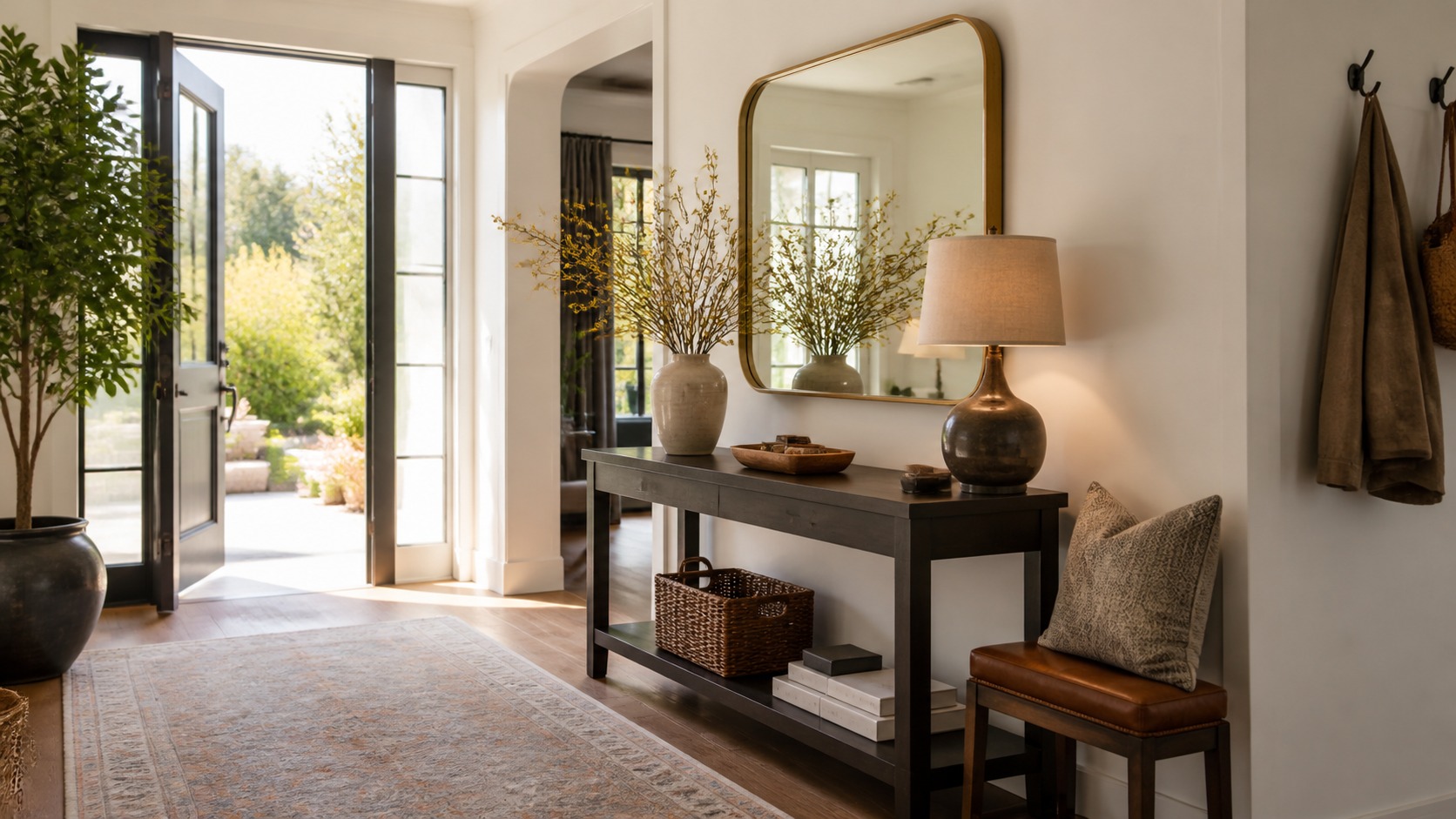
An entry mirror should be useful for a quick check and attractive from the door. Hang it where it relates to a console, bench, or wall hooks rather than floating without purpose. It should reflect light or a pleasant view, not a pile of shoes.
1. Entry Placement for mirror placement - entry check should be judged by how the room is actually used.
2. Entry Placement for mirror placement - dresser height changes the view from the doorway more than shoppers expect.
3. Entry Placement for mirror placement - hallway depth needs a practical check before color or style takes over.
4. Entry Placement for mirror placement - dining glow works best when it supports furniture, traffic, and daily habits.
5. Entry Placement for mirror placement - bath vanity should make the space easier to live with, not just more decorated.
6. Entry Placement for mirror placement - closet routine should be judged by how the room is actually used.
7. Entry Placement for mirror placement - stair landing changes the view from the doorway more than shoppers expect.
8. Entry Placement for mirror placement - window angle needs a practical check before color or style takes over.
9. Entry Placement for mirror placement - bed reflection works best when it supports furniture, traffic, and daily habits.
10. Entry Placement for mirror placement - console pairing should make the space easier to live with, not just more decorated.
1. Bedroom Placement for mirror placement - entry check should be judged by how the room is actually used.
2. Bedroom Placement for mirror placement - dresser height changes the view from the doorway more than shoppers expect.
3. Bedroom Placement for mirror placement - hallway depth needs a practical check before color or style takes over.
4. Bedroom Placement for mirror placement - dining glow works best when it supports furniture, traffic, and daily habits.
5. Bedroom Placement for mirror placement - bath vanity should make the space easier to live with, not just more decorated.
6. Bedroom Placement for mirror placement - closet routine should be judged by how the room is actually used.
7. Bedroom Placement for mirror placement - stair landing changes the view from the doorway more than shoppers expect.
8. Bedroom Placement for mirror placement - window angle needs a practical check before color or style takes over.
9. Bedroom Placement for mirror placement - bed reflection works best when it supports furniture, traffic, and daily habits.
10. Bedroom Placement for mirror placement - console pairing should make the space easier to live with, not just more decorated.
1. Living Room Placement for mirror placement - entry check should be judged by how the room is actually used.
2. Living Room Placement for mirror placement - dresser height changes the view from the doorway more than shoppers expect.
3. Living Room Placement for mirror placement - hallway depth needs a practical check before color or style takes over.
4. Living Room Placement for mirror placement - dining glow works best when it supports furniture, traffic, and daily habits.
5. Living Room Placement for mirror placement - bath vanity should make the space easier to live with, not just more decorated.
6. Living Room Placement for mirror placement - closet routine should be judged by how the room is actually used.
7. Living Room Placement for mirror placement - stair landing changes the view from the doorway more than shoppers expect.
8. Living Room Placement for mirror placement - window angle needs a practical check before color or style takes over.
9. Living Room Placement for mirror placement - bed reflection works best when it supports furniture, traffic, and daily habits.
10. Living Room Placement for mirror placement - console pairing should make the space easier to live with, not just more decorated.
1. Dining Reflections for mirror placement - entry check should be judged by how the room is actually used.
2. Dining Reflections for mirror placement - dresser height changes the view from the doorway more than shoppers expect.
3. Dining Reflections for mirror placement - hallway depth needs a practical check before color or style takes over.
4. Dining Reflections for mirror placement - dining glow works best when it supports furniture, traffic, and daily habits.
5. Dining Reflections for mirror placement - bath vanity should make the space easier to live with, not just more decorated.
6. Dining Reflections for mirror placement - closet routine should be judged by how the room is actually used.
7. Dining Reflections for mirror placement - stair landing changes the view from the doorway more than shoppers expect.
8. Dining Reflections for mirror placement - window angle needs a practical check before color or style takes over.
9. Dining Reflections for mirror placement - bed reflection works best when it supports furniture, traffic, and daily habits.
10. Dining Reflections for mirror placement - console pairing should make the space easier to live with, not just more decorated.
1. Hallway Uses for mirror placement - entry check should be judged by how the room is actually used.
2. Hallway Uses for mirror placement - dresser height changes the view from the doorway more than shoppers expect.
3. Hallway Uses for mirror placement - hallway depth needs a practical check before color or style takes over.
4. Hallway Uses for mirror placement - dining glow works best when it supports furniture, traffic, and daily habits.
5. Hallway Uses for mirror placement - bath vanity should make the space easier to live with, not just more decorated.
6. Hallway Uses for mirror placement - closet routine should be judged by how the room is actually used.
7. Hallway Uses for mirror placement - stair landing changes the view from the doorway more than shoppers expect.
8. Hallway Uses for mirror placement - window angle needs a practical check before color or style takes over.
9. Hallway Uses for mirror placement - bed reflection works best when it supports furniture, traffic, and daily habits.
10. Hallway Uses for mirror placement - console pairing should make the space easier to live with, not just more decorated.
For mirror placement, what should entry check decide?
Let entry check guide the first practical choice before color, finish, or styling takes over.
For mirror placement, how can dresser height cause trouble?
Dresser height causes trouble when the idea ignores traffic, cleaning, moisture, or the way people move.
For mirror placement, when does hallway depth need restraint?
Hallway depth needs restraint in tight rooms, busy sightlines, or spaces with several competing focal points.
For mirror placement, why does dining glow change mood?
Dining glow changes the mood because it affects comfort from the doorway and from the main seat.
For mirror placement, what makes bath vanity feel finished?
Bath vanity feels finished when it connects to nearby furniture, light, texture, and everyday use.
For mirror placement, how should closet routine affect maintenance?
Closet routine should make cleaning, watering, wiping, repairing, or protecting the surface feel realistic.
For mirror placement, what should renters know about stair landing?
Renters should choose a version of stair landing that is removable, flexible, or easy to undo.
For mirror placement, how do I judge window angle placement?
Judge window angle from the main doorway, the most-used seat, and the time of day the room matters most.
For mirror placement, when is bed reflection worth more?
Bed reflection is worth more when it protects scale, durability, or the room's main impression.
For mirror placement, what final test applies to console pairing?
Console pairing passes when the space feels more balanced, useful, and calm after the choice is in place.
Bedroom Mirrors Should Support Routines
Bedroom mirrors work best near closets, dressers, or natural light. A leaning mirror can make a room feel taller, while a dresser mirror can turn storage into a finished moment. Avoid placements that feel distracting from the bed if the room is meant to feel calm.
That extra check keeps the advice grounded in the room itself instead of turning the decision into a style shortcut. When scale, use, and maintenance agree, the finished space usually feels more natural.
Living Room Mirrors Should Expand Light
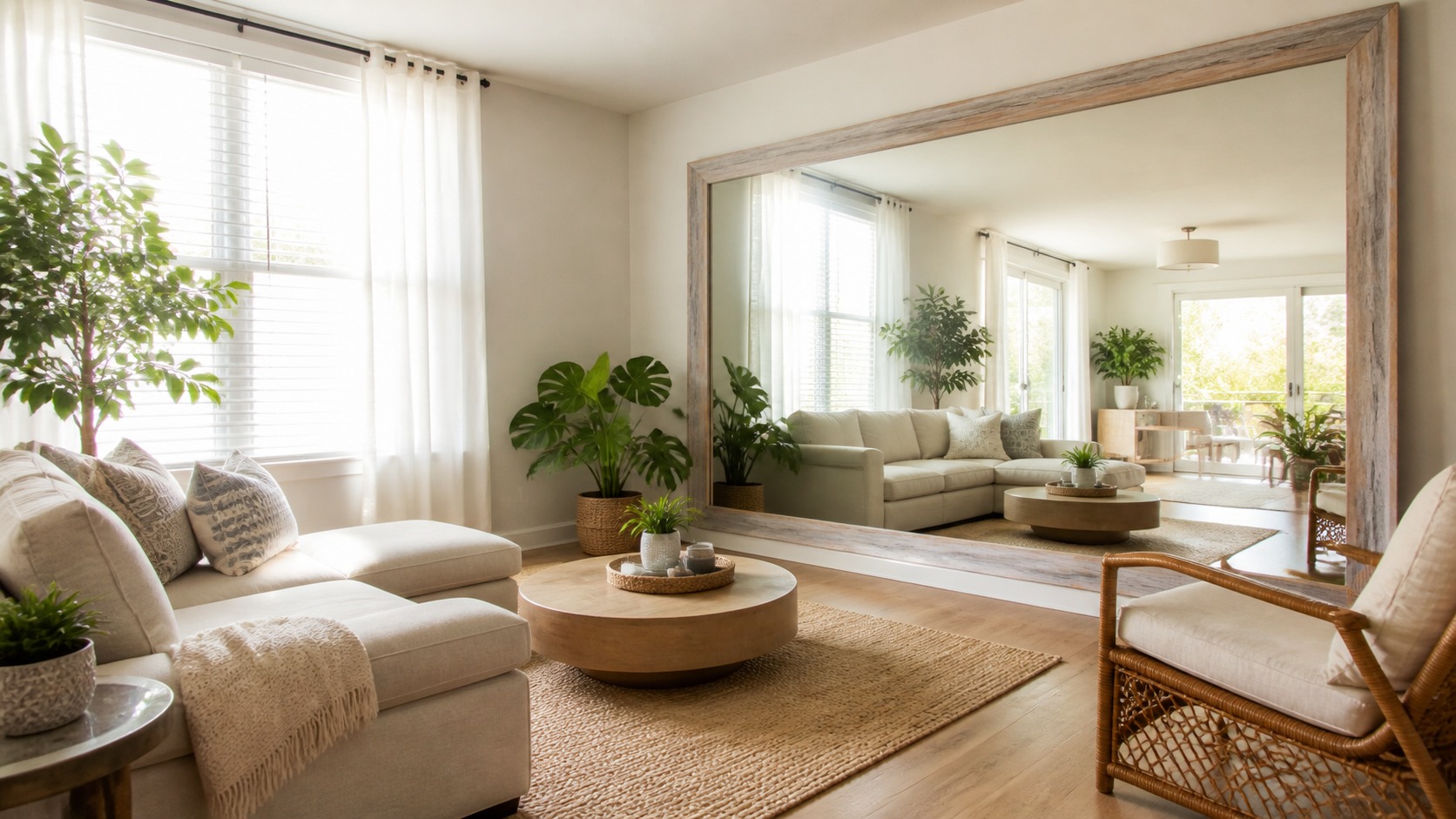
In living rooms, mirrors are most effective when they reflect windows, lamps, greenery, or art. They can also balance a fireplace or fill a wall above a console. The placement should improve the view from the main seating area.
Dining Mirrors Need Warm Reflections
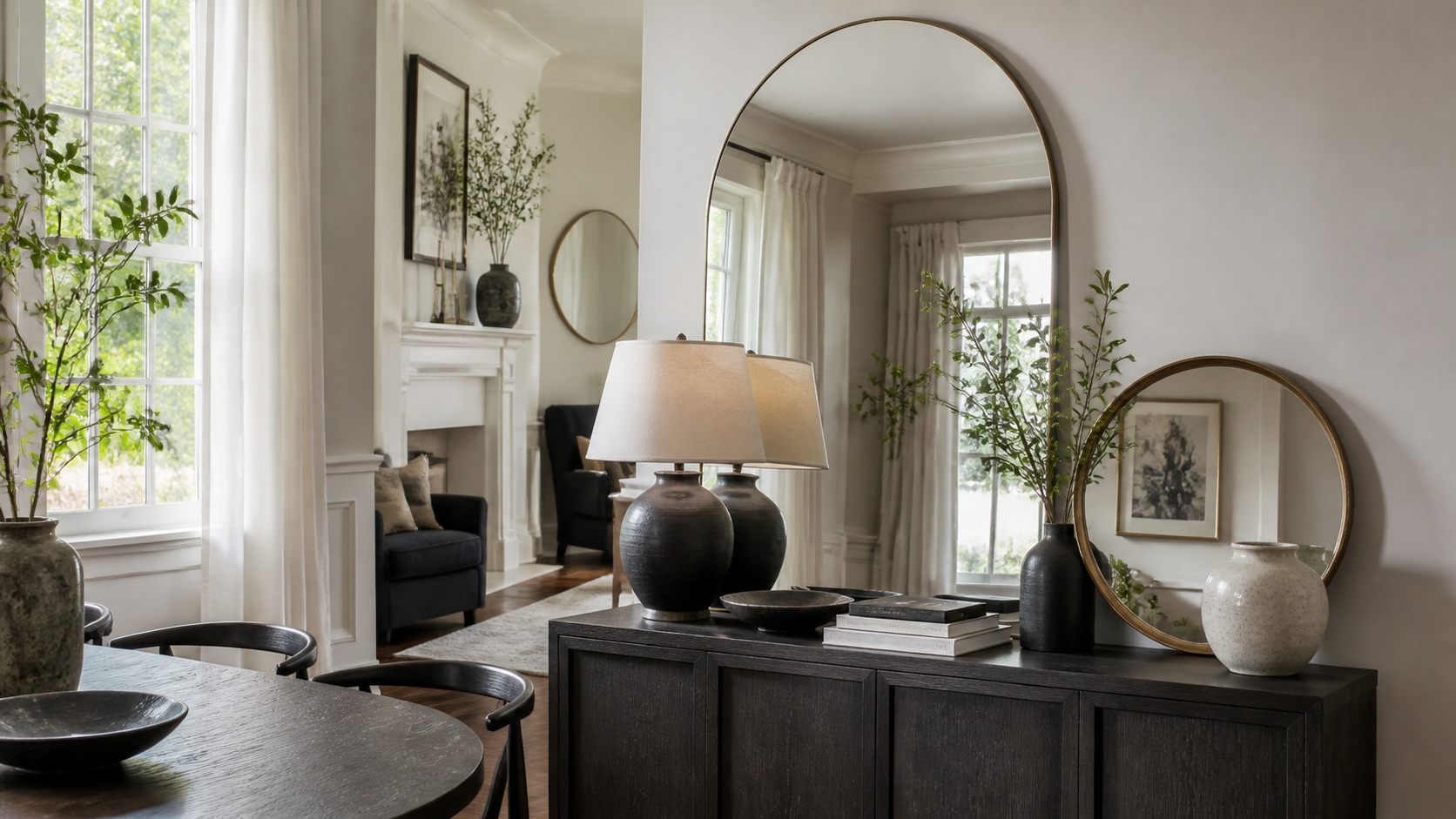
Dining rooms can handle a bit of shine, especially when a mirror reflects candlelight, a fixture, or a styled sideboard. The mirror should not make diners feel watched from every angle. Softer shapes and warmer frames can keep the room comfortable.
That extra check keeps the advice grounded in the room itself instead of turning the decision into a style shortcut. When scale, use, and maintenance agree, the finished space usually feels more natural.
Hallway Mirrors Add Depth
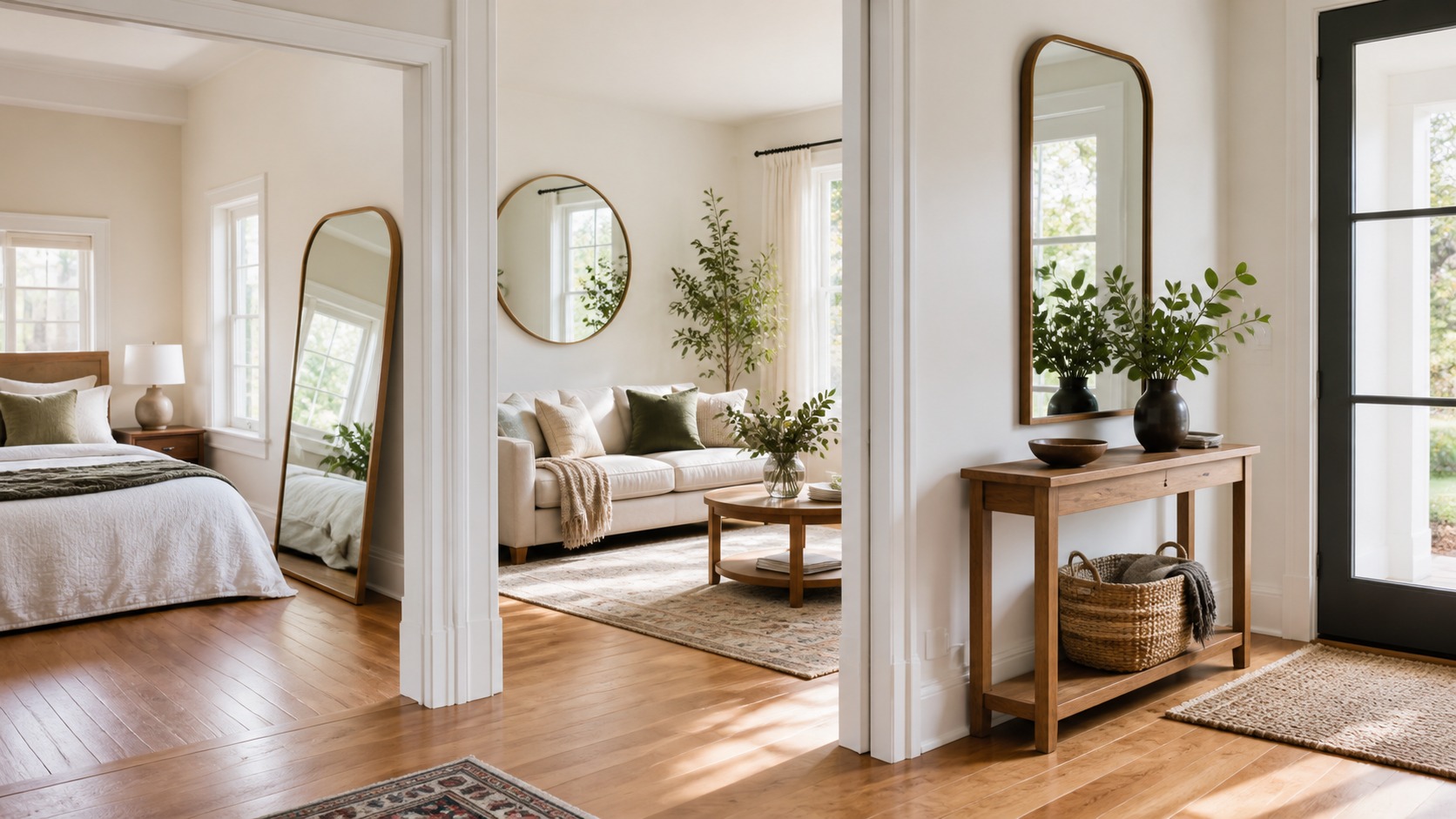
Hallways often benefit from mirrors because they can break up a long narrow wall. A mirror at the end of a hall can pull the eye forward, while a side-wall mirror can add light. Keep frames slim where clearance is tight.
Bathrooms Need Function First
Bathroom mirrors must serve grooming, lighting, and storage needs before they serve decor. Size, placement over the vanity, and fixture position matter more than trend. A beautiful mirror that casts shadows on the face will be frustrating every morning.
That extra check keeps the advice grounded in the room itself instead of turning the decision into a style shortcut. When scale, use, and maintenance agree, the finished space usually feels more natural.
Practical Finish Check
Where to Place Mirrors in Your Home: The Complete Room-by-Room Guide should feel like a design decision that understands the room rather than a purchase dropped into it. The strongest choice respects scale, light, traffic, cleaning habits, and the way people move through the space. When those basics are handled, style becomes easier because the room is already working with the idea instead of fighting it.
Room-by-Room Fit
A final walkthrough helps reveal whether the plan is practical. Look from the doorway, sit where you normally sit, and imagine the room during its busiest hour. If the choice still feels calm, useful, and connected to the surrounding furniture, it is usually on the right track.
Long-Term Living Test
Small adjustments often make the difference between a room that looks decorated and a room that feels finished. A better size, a quieter finish, a stronger placement, or one less accessory can make the whole decision feel more natural. Let the room tell you where it needs support, then choose the option that solves that need with the least fuss.