Choosing a new bed frame used to be simple. Most people picked a style they liked, checked the price, and hoped it lasted for years. Today, however, shoppers are faced with a much more detailed decision: should you buy a solid wood bed or an engineered wood bed? This debate has become one of the biggest conversations in modern furniture design. From luxury bedroom collections to budget-friendly online retailers, nearly every bed on the market falls into one of these two categories. Both options can look beautiful, feel comfortable, and transform a bedroom into a relaxing retreat. Yet beneath the surface, they are dramatically different in terms of durability, price, sustainability, appearance, maintenance, and long-term value. For homeowners investing in a primary bedroom, parents furnishing guest rooms, or apartment dwellers trying to maximize style on a budget, understanding the difference between solid wood and engineered wood can save money and prevent frustration later. The truth is that neither material is automatically “better” for every situation. The right choice depends on how you live, what you value, and how long you expect your furniture to last. This guide explores everything you need to know about solid wood and engineered wood beds, including construction quality, aesthetics, lifespan, environmental impact, and hidden costs. By the end, you will know exactly which type of bed is truly worth it for your home.
A: Usually yes for durability, repairability, and long-term value, especially in a primary bedroom.
A: Not always; good plywood or quality veneer construction can perform well when properly supported.
A: Solid hardwood beds usually last longer, especially when built with strong joints and replaceable hardware.
A: Engineered wood is usually better for lower upfront cost and trend-focused bedroom updates.
A: Yes, if the frame has strong rails, close slat spacing, and a reinforced center support.
A: They can, but squeaks usually come from loose hardware, weak joints, or poor slat support.
A: Veneer is a thin surface layer, often applied over engineered wood or plywood for a real-wood look.
A: Engineered wood beds are often lighter, but they may not handle repeated disassembly as well.
A: Solid wood usually has richer natural grain, though high-quality veneer can also look elegant.
A: Solid wood is worth it for longevity; engineered wood is worth it for affordability and flexibility.
Understanding Solid Wood Beds
Solid wood beds are made from natural lumber cut directly from trees. Popular wood species include oak, maple, walnut, pine, cherry, ash, and acacia. Every component of the bed frame, from the headboard to the side rails, is crafted from genuine wood rather than manufactured composite materials.
One of the biggest reasons people love solid wood furniture is authenticity. Each piece contains natural grain patterns, knots, and tonal variations that cannot be perfectly duplicated. This organic character gives solid wood beds warmth and depth that many buyers associate with premium craftsmanship.
Solid wood furniture also carries a sense of tradition. Antique bed frames built over a century ago still exist today because natural hardwood can withstand decades of use when properly maintained. Many people see solid wood beds as heirloom furniture capable of lasting across generations.
Hardwoods such as oak and walnut are especially valued for strength and durability. Softer woods like pine are more affordable and lighter in weight but may dent more easily. Regardless of species, solid wood furniture tends to feel substantial, heavy, and sturdy.
Another advantage is repairability. Minor scratches, dents, and surface wear can often be sanded down and refinished. Unlike synthetic laminates that peel or chip permanently, real wood can frequently be restored to near-original condition.
Solid wood beds also age gracefully. Over time, the material develops a rich patina that many homeowners find beautiful. Instead of looking worn out, high-quality solid wood often gains character as it matures.
What Is Engineered Wood?
Engineered wood is a manufactured material created by combining wood fibers, particles, veneers, or strands with adhesives and compression techniques. Common engineered wood products include MDF (medium-density fiberboard), plywood, particleboard, and HDF (high-density fiberboard).
Unlike solid wood, engineered wood is designed for efficiency, consistency, and affordability. Manufacturers can produce large quantities of furniture quickly while reducing waste and lowering costs.
Many engineered wood beds are finished with veneers or laminates that mimic the appearance of real hardwood. At first glance, some models look nearly identical to solid wood furniture. Advances in furniture manufacturing have significantly improved the realism of these finishes, making modern engineered wood beds more attractive than older versions.
One major advantage of engineered wood is stability. Natural wood expands and contracts with humidity changes, which can sometimes lead to warping or cracking. Engineered materials are often more dimensionally stable because they are built using layered construction methods.
Engineered wood is also lighter and easier to transport. For apartment living, online furniture shopping, and DIY assembly, this convenience appeals to many buyers.
However, not all engineered wood is created equal. High-quality plywood construction can be durable and long-lasting, while cheap particleboard furniture may weaken quickly over time. The quality spectrum is extremely broad, making careful research essential before purchasing.
The Visual Difference Between Solid and Engineered Wood
Appearance is one of the biggest deciding factors when shopping for a bed frame. Bedrooms are deeply personal spaces, and the bed often acts as the visual centerpiece of the room.
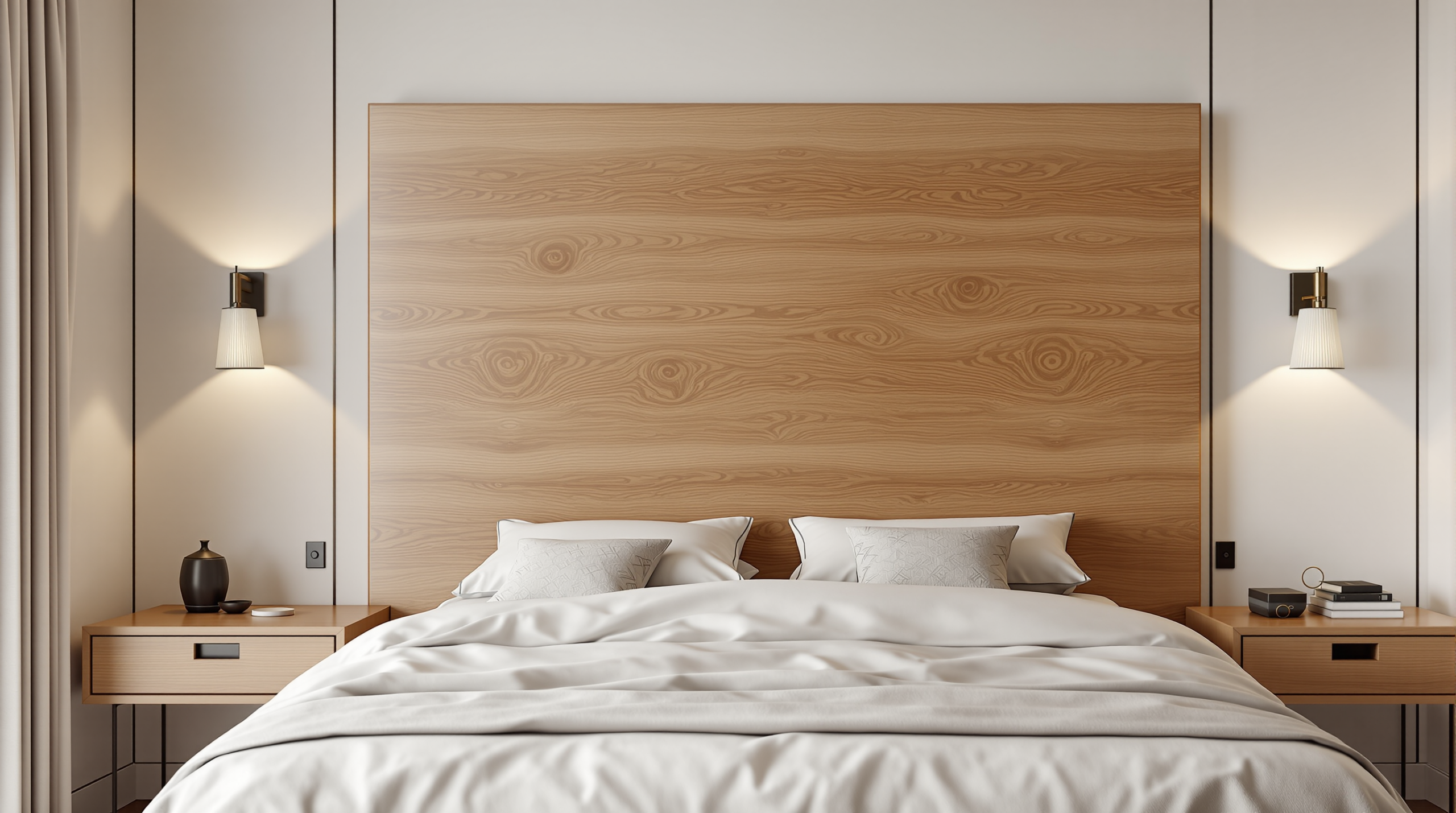
Solid wood offers unmatched natural beauty. Authentic grain patterns create texture and depth that feel luxurious and timeless. No two pieces are identical, which adds uniqueness to every frame. In upscale interiors, this individuality becomes part of the furniture’s appeal.
Walnut beds provide dramatic richness and modern sophistication. Oak creates a classic and durable appearance. Pine delivers a lighter, more rustic aesthetic. Cherry wood develops darker tones with age, giving bedrooms an elegant and refined atmosphere.
Engineered wood beds, meanwhile, excel in design flexibility. Manufacturers can create sleek finishes, ultra-modern textures, and minimalist aesthetics at a lower cost. Laminate surfaces can imitate wood species that would otherwise be extremely expensive.
For contemporary furniture styles, engineered wood often performs very well visually. Matte black finishes, Scandinavian-inspired neutrals, and clean geometric shapes are common in engineered wood collections.
Still, experienced furniture shoppers can usually identify the difference between genuine wood grain and printed laminate surfaces. Engineered wood sometimes lacks the depth, warmth, and tactile authenticity of real hardwood.
The gap becomes even more noticeable over time. Solid wood often ages beautifully, while lower-quality laminates may chip, fade, or peel after years of use.
Durability and Longevity
Durability is where solid wood furniture typically shines brightest.
A high-quality solid wood bed can last decades or longer. Hardwood frames are exceptionally strong and capable of supporting heavy weight without significant structural deterioration. Properly maintained solid wood furniture can survive moves, family use, and everyday wear with minimal issues.
Engineered wood beds vary widely in durability depending on construction quality. Plywood-based engineered furniture can perform quite well, especially in mid-range and premium products. Particleboard furniture, however, tends to be less durable over time.
Repeated stress can weaken engineered joints, particularly in lower-priced furniture assembled using cam locks or inexpensive hardware. Moisture exposure can also cause swelling or structural breakdown in some engineered materials.
Another factor is repairability. When engineered wood chips or cracks, repairs are often difficult or impossible to hide completely. Solid wood, by contrast, can usually be refinished or repaired more naturally.
That said, durability expectations should match lifestyle needs. A college student furnishing a temporary apartment may not need a bed designed to last fifty years. In that context, a quality engineered wood frame could be entirely practical.
But for homeowners seeking long-term furniture investments, solid wood usually offers better lifetime performance.
Price Comparison: Is Solid Wood Worth the Cost?
One of the biggest reasons engineered wood dominates the furniture market is affordability.
Solid wood beds are significantly more expensive due to material costs, craftsmanship, and production time. Premium hardwood species such as walnut or white oak can command especially high prices. Large solid wood beds often require skilled joinery and extensive finishing work, which further increases costs.
Engineered wood furniture allows brands to create stylish designs at much lower prices. For budget-conscious shoppers, this accessibility makes engineered wood extremely attractive.
However, purchase price alone does not always determine value.
A cheaper bed that needs replacement every five years may ultimately cost more than a durable solid wood bed that lasts decades. Long-term ownership costs matter, especially for primary bedroom furniture used daily.
There is also a psychological value component. Many people enjoy the feeling of owning authentic natural materials. Solid wood furniture often creates a sense of permanence and craftsmanship that mass-produced engineered furniture may not replicate.
Still, engineered wood remains an excellent option for many households. Guest rooms, rental properties, first apartments, and temporary living situations may not justify the premium price of solid wood.
The best value depends on your priorities, budget, and expected usage timeline.
Sustainability and Environmental Impact
Environmental concerns increasingly influence furniture buying decisions. Both solid wood and engineered wood have sustainability advantages and drawbacks.
Solid wood furniture can be highly sustainable when sourced responsibly. FSC-certified wood ensures forests are managed ethically and replenished over time. Long-lasting furniture also reduces waste because products are replaced less frequently.
However, harvesting hardwood trees requires significant natural resources, especially when demand rises for slow-growing species like walnut or mahogany.
Engineered wood often utilizes wood byproducts and smaller timber pieces that might otherwise become waste. This efficient material usage can reduce pressure on forests. Some engineered wood products are designed specifically to maximize sustainability.
Yet adhesives and resins used in manufacturing may release volatile organic compounds, commonly called VOCs. Lower-quality engineered furniture sometimes contains formaldehyde-based adhesives, which can impact indoor air quality.
Modern furniture manufacturers have improved significantly in this area, and many brands now advertise low-VOC or CARB-compliant engineered wood products.
Ultimately, sustainability depends less on material category alone and more on manufacturing practices, sourcing transparency, and product lifespan.
Comfort, Noise, and Everyday Use
A bed frame affects more than appearance. Stability and daily comfort matter just as much.
Solid wood beds generally feel more grounded and substantial. Their heavier weight minimizes wobbling and movement. Many sleepers appreciate the quiet, sturdy experience that comes with a well-built hardwood frame.
Engineered wood beds can also perform well, but cheaper models sometimes develop squeaks or loosen over time. Hardware quality plays a major role here. Reinforced frames with proper assembly tend to hold up much better than ultra-budget flat-pack furniture.
Weight is another consideration. Solid wood beds are heavier and harder to move. This can be inconvenient during relocations or room redesigns. Engineered wood furniture is often easier to transport upstairs, disassemble, and reassemble.
For families who move frequently, this portability may actually become a major advantage.
Style Trends and Modern Bedroom Design
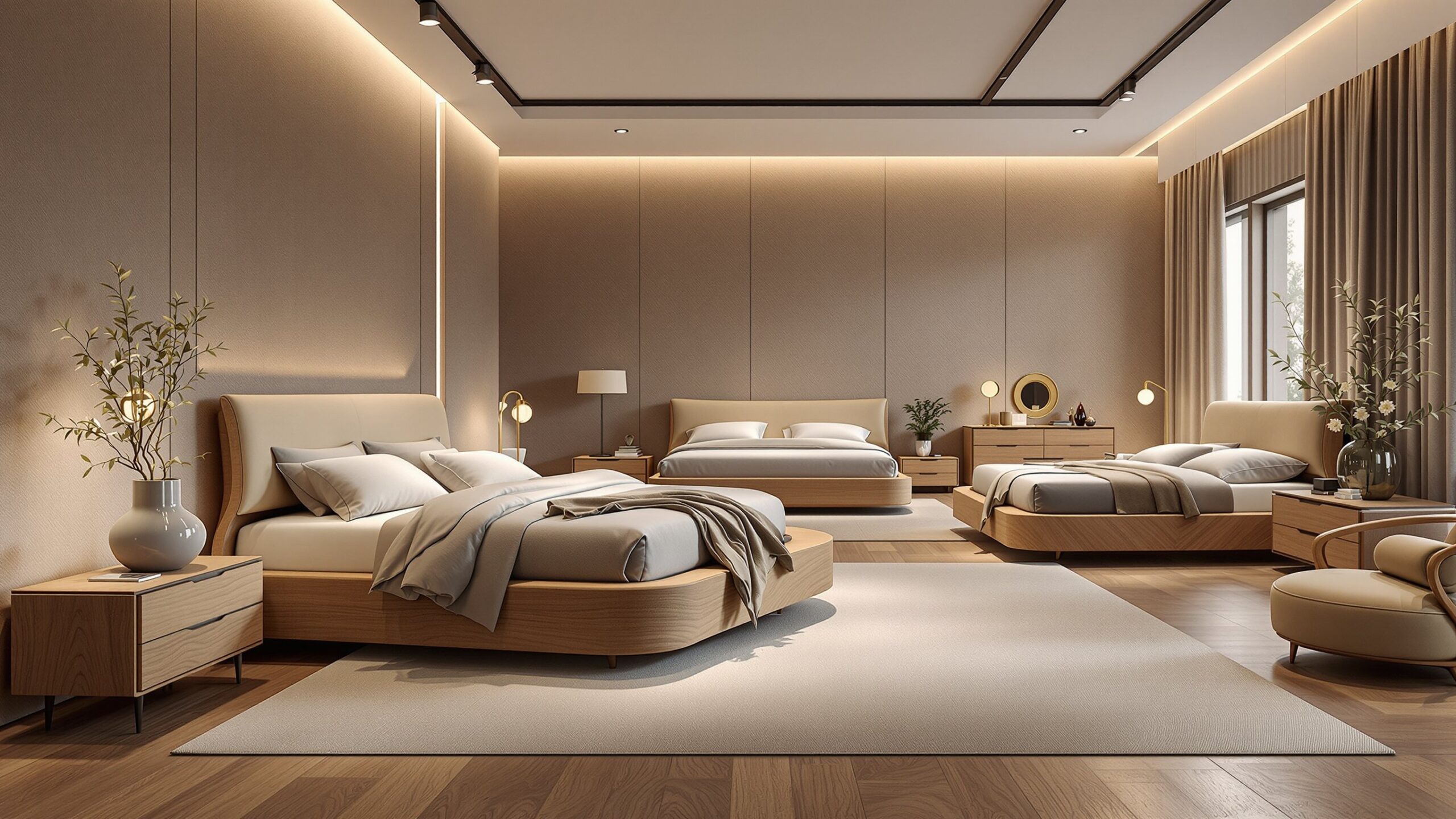
Both solid wood and engineered wood play important roles in current interior design trends. Solid wood dominates luxury, organic modern, Japandi, farmhouse, and Scandinavian-inspired spaces. Natural textures and authentic materials align perfectly with today’s desire for calm, grounded interiors.
Minimalist oak platform beds, walnut statement headboards, and handcrafted rustic frames remain highly desirable in premium home design. Engineered wood thrives in contemporary, urban, and budget-conscious interiors. Its versatility allows manufacturers to experiment with bold finishes, mixed materials, and innovative silhouettes.
Matte surfaces, floating bed designs, and sleek upholstered combinations frequently use engineered wood construction underneath decorative finishes.
As furniture technology improves, the aesthetic gap between premium engineered wood and solid wood continues to narrow. Still, authentic hardwood retains a unique emotional appeal that trends alone cannot fully replace.
Maintenance and Care
Solid wood requires occasional maintenance but rewards proper care with longevity.
Dusting, polishing, and protecting the surface from excess moisture help preserve the finish. Scratches and dents can often be repaired through sanding or refinishing. Humidity control also matters. Extreme environmental changes may cause expansion or contraction in natural wood over time.
Engineered wood is generally easier to maintain day to day. Laminate finishes resist stains and require minimal upkeep. However, once damage occurs, repairs are more difficult.
Water exposure is especially problematic for lower-quality particleboard. Swelling and bubbling may permanently ruin affected surfaces. For busy households seeking low-maintenance furniture, engineered wood offers convenience. For those who appreciate craftsmanship and longevity, solid wood’s maintenance needs may feel worthwhile.
Which Bed Type Is Best for Different Buyers?
The ideal choice depends heavily on lifestyle and priorities.
Solid wood beds are best for homeowners seeking long-term investments, timeless aesthetics, and premium durability. They suit primary bedrooms where furniture will remain in use for many years. Buyers who appreciate craftsmanship, natural materials, and heirloom-quality furniture often find solid wood worth every dollar.
Engineered wood beds are ideal for shoppers focused on affordability, modern design, and practicality. They work well in guest rooms, rental homes, student apartments, and temporary living spaces. Quality engineered wood can also deliver impressive style at a fraction of the price.
Families with young children may appreciate engineered furniture’s lower replacement cost during high-wear years. Meanwhile, design enthusiasts creating luxury interiors may prioritize the authenticity of real hardwood.
There is no universally correct answer. The better choice depends on balancing budget, aesthetics, durability expectations, and lifestyle needs.
Final Verdict: Which Is Truly Worth It?
So, is solid wood or engineered wood worth it? For buyers seeking maximum longevity, timeless beauty, repairability, and premium craftsmanship, solid wood remains the gold standard. Its durability, authenticity, and lasting value justify the higher price for many homeowners.
However, engineered wood has evolved dramatically in recent years. High-quality engineered wood beds can look stylish, perform reliably, and save substantial money. For many modern households, especially those prioritizing affordability and convenience, engineered wood offers exceptional practicality.
The smartest approach is not to assume one material is automatically superior. Instead, evaluate how the bed fits your lifestyle, budget, and long-term plans. If you want a forever piece that gains character with age, solid wood is likely worth the investment. If you want fashionable, affordable furniture that serves your needs efficiently, engineered wood may be the better value.
In the end, the best bed is not simply the most expensive one. It is the one that supports your comfort, complements your home, and continues meeting your needs year after year.